Fashion has changed since the advent of social media as consumers, rather than brands, increasingly dictate trends.
Social media has led consumers to adopt and move on from fashion trends quicker than ever before. To appease their customers, brands must keep up with the forecasts. Trend forecasting through social media analysis allows fashion brands to unlock their full potential for commercial and creative success.
From virality to visibility: How trends are born on social media
The gatekeepers of the fashion industry used to be editors, experienced designers and powerful retailers. Ten years ago, magazines were still considered the bible for fashion inspiration and new seasonal must-haves. So much has changed since the launch of Instagram in 2010.
Today, more than 1.3 billion images are shared daily on Instagram, with nearly 2 billion monthly active users. Can you imagine the untapped potential these images hold? As a matter of fact, they influence three quarters of purchases, often driven by brands themselves as a result of celebrity partnerships. For example, Prada’s latest campaign stars a number of big-name celebrities including Kendall Jenner, Hunter Schafer and Troye Sivan: it’s no surprise the brand ranks top 5 on Lyst’s hottest brands of Q1 2025. And with Instagram, purchasing is just a click away since brands tag their e-shops directly in pictures.
But in fact, according to a report from Big Commerce, micro-influencers (users with <50.000 followers) get the highest engagement rate at 7-20%. Consumers tend to listen to those in their inner circle more than celebrities, because their relationship feels closer and generates more trust. As a result, the same report notes that 91% of users trust other users and their opinions. Social media is a powerful platform for sharing and purchasing new trends, with close to 90% of shoppers consulting at least one social media platform before making a purchase. Evidently, smaller influencers and word-of-mouth seem to push more advertising than other means.

Instagram isn’t the weapon when it comes to inspiring change in the fashion industry. Weibo, Pinterest, TikTok, and YouTube play big roles as well, as millennials and Gen Z-ers have become both influencers and influencees. The industry as a whole has shifted from an exclusive to an inclusive form of fashion: consumers now express their opinions daily through social media. These new voices have entered the fashion game, most notably due to consumer behavior on Instagram.
How can social media help brands to identify what consumers want?
Looking through the lens social media to better understand consumers
Given social media’s major influence on how people shop, brands can no longer ignore the game-changing impact that these new consumer voices have on both their image and their business if they want to stay ahead.

Millennials expect brands to constantly renew themselves with capsule collections, exclusive collaborations and innovative and exciting products. This puts a never-ending pressure on brands to reduce their time-to-market to just a few weeks: Missguided, a French women’s clothing brand, has achieved an impressive time-to-market of just 1 week. This competitive advantage puts brands in a stronger position to react quickly to emerging trends considering that with social media, the propagation speed of trends is increasingly accelerating.
Nowadays, some micro trends take just a few weeks to be adopted by the population vs the 1–2 years it took before. Not only do brands have to react very quickly to adjust their design and stock, but they also have to learn to anticipate, or they will miss the next big trend.
Furthermore, social media has amplified and accelerated the spread of a viral buzz and made it hard for brands to anticipate the lifecycle of a product. Nobody expected the Telfar Shopping Bag to break the internet like it did, even appearing on Oprah’s Wish List, but it remained sold out on the brand’s website for months. On the other hand, we see other trends burst onto the Instagram fashion scene and vanish overnight.

At this rate, brands are becoming engaged in an endless race to create more and more – more products, more content, more market share, etc. However, this race damages profitability and threatens the environment.
Before social media, brand normally had to choose between being fast or smart. Nowadays, with social networks, AI and data analysis, they can be both. This means staying ahead of your consumer’s preferences and anticipating demand in order to reach the right balance between novelty and continuity, trendy and iconic products.
The great news is that if well used, Instagram is a gold mine of insights allowing brands to be ahead of their market and their consumer preferences.
Social media has a powerful predictive capacity
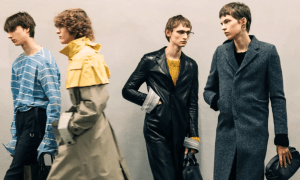
If fashion professionals used to look at what consumers were wearing on the streets to get a sense of the market, “street style” has now taken on an even greater significance online with thousands of consumers wearing products just a click away.
This means much more consumer data to analyze and back one’s intuitions with. Instagram reflects desirability, the adoption of fashion trends and how they spread from edgy trends to commercial successes. We can see niche trends emerging from fashion-forward people, and closely follow their propagation (or not) to the mass market.
Chemena Kamali for Chloé, and boho chic SS25
At Heuritech, we have conducted studies showing that certain behaviors on Instagram can be 6 to 12 months ahead of trends. Figures combined with thousands of pictures of people wearing specific products can help fashion experts back their intuitions with strong data.

Long before Chemena Kamali’s much-anticipated Chloé collection for Spring/Summer 2025, Heuritech had already identified a marked resurgence of the boho chic aesthetic across markets.
Flowy silhouettes, delicate embroideries, and earthy tones were forecasted to rise well before they reappeared on the runway.
This foresight is powered not only by cutting-edge image recognition technology, but also by Heuritech’s fashion team of experts. Season after season, they analyze thousands of runway looks from the main Fashion Weeks to curate detailed reports. It’s this combination of expert eye and machine learning that enables us to detect the early signs of shifts like the comeback of boho chic.
Designers have always looked at what’s happening today to design for tomorrow. Social media has just changed the way they do it, giving them a window onto the world. Trend forecasting based on social media images is the best approach to keeping up with the times, especially given the rate at which consumer desires evolve and the way they express these changes online.
Not only do they have their human eye as they have always had, but now technology can save designers precious time to concentrate on what they do best: creating.
Turning trends into business value: From insight to action
Turning emerging trends gleaned from social media and data analytics into profitable strategies requires more than keen observation: it demands swift decision-making and agility across all teams. According to industry estimates, fashion houses that react within the first three months of a trend’s emergence can see up to a 15% increase in full-price sell-through.
The key lies in turning insights into real-world actions. For instance, spotting early chatter around “futuristic metallics” on TikTok should prompt product teams to prototype capsule collections and marketing teams to design cohesive campaigns—in near real time. Equally vital is internal synergy: predictive analytics must feed directly into design, merchandising, and supply chain decisions to minimize guesswork. Ultimately, successfully translating trends into business value involves delivering precisely what consumers are craving, exactly when they want it.
Influencers, communities and the power of niche tribes
The role of influencers in legitimizing trends
Influencers have evolved from mere brand ambassadors into pivotal conduits for trend adoption. Their unique connection to hyper-engaged audiences can legitimize emerging styles almost overnight. A 2022 study found that partnerships with micro-influencers led to engagement rates up to 60% higher than macro-influencer collaborations. By choosing niche tastemakers who truly embody a brand’s vision, fashion players can cultivate deeper authenticity and trust in an age where consumers quickly spot, and reject, anything that feels contrived.
The new digital tribes (cores, subcultures)
Today’s digital landscape thrives on micro-communities that rally around specific aesthetics or shared values: think all “core” aesthetics, ie #Cottagecore, #Gorpcore, or #Y2K. These “cores” generate their own micro-economies of taste, driving discovery, and rapid acceptance (or rejection) of products. They are akin to modern subcultures but with global reach and real-time influence. Their verdict on what’s cool can instantly elevate a design, or send it into obscurity, faster than traditional retail cycles can keep up.
How brands can collaborate with these micro-communities
Rather than bombarding niche tribes with marketing, fashion brands should consider a more inclusive approach: co-creation. Involving community leaders (both established influencers and grassroots advocates) in the design process ensures products resonate deeply with those who matter most. Brands can host exclusive virtual workshops, develop limited capsule collections reflecting a community’s ethos, or invite user-generated content that showcases these tribes’ creative lens. In doing so, they gain not just credibility, but a pre-existing, highly engaged audience ready to champion the final result.
Embracing the future: Rethinking fashion strategy in the social era
As social media continues to redefine the fashion landscape, brands must evolve beyond traditional seasonal planning and static marketing. The future belongs to those who can move fast, act on data, and engage consumers where trends are born: online. To thrive in 2026, fashion players need to adopt a set of agile, tech-driven strategies that bridge the gap between cultural relevance and commercial success. To navigate this social media-powered transformation, they need to follow clear strategies.
5 key strategies for fashion industry and social media in 2026
- Integrate real-time data analytics
Adopt robust social listening and AI-powered forecasting tools that translate trends into actionable insights. This helps brands pivot swiftly, cut overstock risks, and keep inventory lean. You can already discover our key trends for 2026. - Accelerate supply chain agility
Streamline production cycles and tighten partnerships with manufacturers to react faster than the traditional six-month design cycle. Rapid prototyping and limited drops can test new ideas without massive upfront risk. - Invest in immersive digital experiences
Augmented reality fitting rooms, virtual catwalks, and NFT-based exclusives can provide unique touchpoints that merge aspiration with convenience. These platforms are fast becoming mainstream, fueling consumer engagement. - Engage micro-communities and subcultures
Connect with niche digital tribes to validate emerging ideas and ensure authenticity. Whether through capsule collaborations or user-generated campaigns, tapping into dedicated fan bases drives both hype and loyalty. - Adopt flexible business models
Diversify revenue streams, think subscription-based offerings or made-to-order collections, to build resilience amid volatile market shifts. Fluid models align with rapid changes in consumer demand and trend evolution.
Use Heuritech to stay ahead
In a market set to see up to 75% of retail growth driven by digital channels in the coming years, Heuritech’s AI-powered platform will be crucial. By analyzing millions of data points, they pinpoint trend opportunities early, from color palettes to silhouettes, mitigating the guesswork in forecasting. The result? More confident product launches, refined storytelling, and minimized markdowns.