


A Balmain look on the ice shouldn’t work. Figure skating costumes are designed around movement and practicality. Couture is designed around fantasy. Yet seeing the two collide feels surprisingly natural – and that collision tells us something important about where sport and fashion now meet.
We are living through the anti-uniform era of sport. Athletes are no longer content being defined solely by performance. They want to be recognized as creators, entrepreneurs, and cultural figures. Fashion has become the first and most visible language of that shift.
At Heuritech, we track the intersection of sport, style, and consumer behavior through our Anti-Uniform theme. The rise of athlete style culture is not just a cultural story – it has measurable implications for sportswear brands, luxury houses, and anyone building collections for the consumers who follow these athletes.
From Endorsements to Identity: A Brief Timeline
The relationship between athletes and fashion has been evolving for decades, but the pace has accelerated dramatically:
1984 – Michael Jordan x Nike redefines athlete partnerships
1990s – Endorsements become mainstream across sport
2000s – David Beckham bridges sport and luxury fashion
2010s – Tunnel walks become fashion moments
2020s – Athletes become founders, investors, and creators
2025+ – Athletes become cultural architects
What began as endorsement deals has become something far more complex: athletes building brands, shaping conversations, and creating communities that outlast their playing careers.
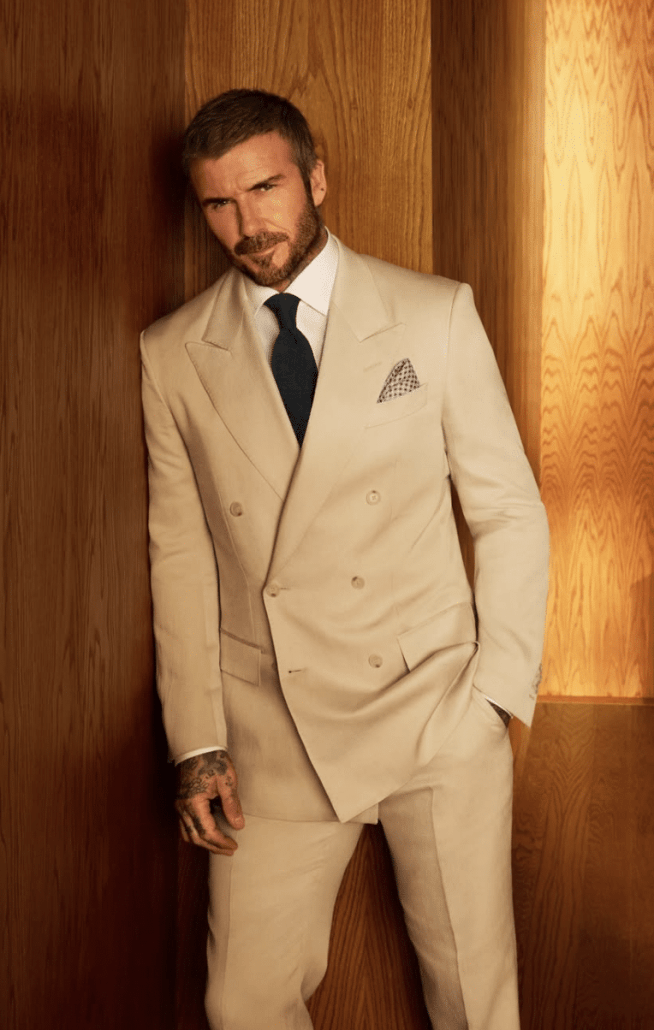

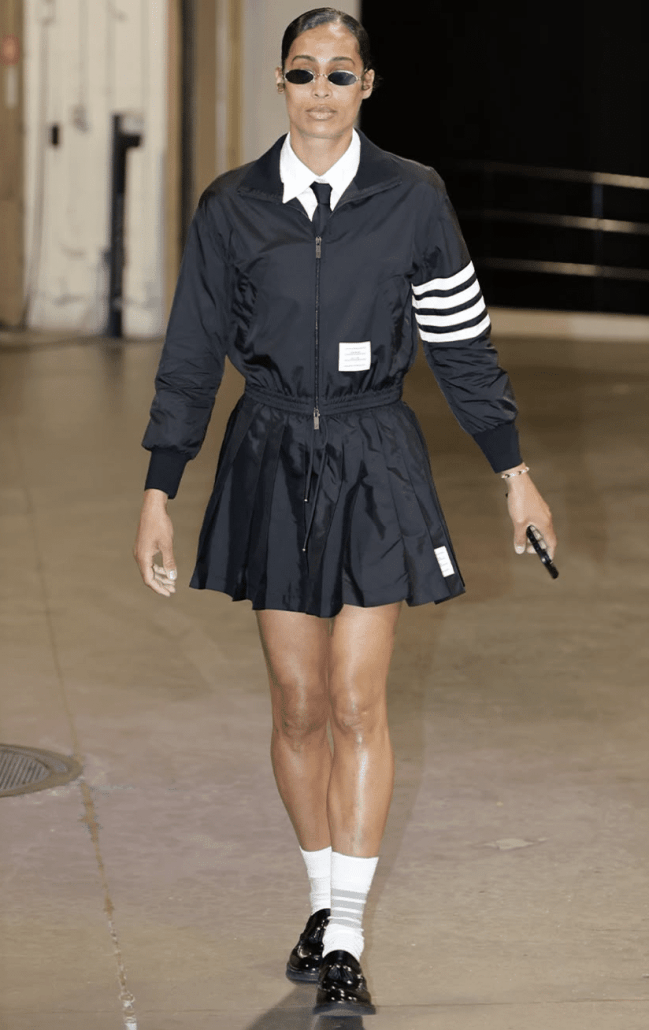
Image: From David Beckham, Eileen Gu, & League Fits
The Tunnel Walk: Sport’s New Runway
Long before the opening whistle, athletes are already commanding attention. What was once a simple stadium arrival has evolved into one of sport’s most influential fashion moments. Tunnel walks now generate millions of views across social media and earn dedicated coverage from fashion publications and fan accounts alike.
In the NBA and WNBA, arrival photography has become as anticipated as post-game highlights. The format has since crossed sports and continents – in France, players like Jules Koundé have transformed their arrivals at the Clairefontaine national training center into style moments that generate global media attention. His fellow players now refer to the Monday international call-up arrivals as their own “fashion week.”
For brands, these moments are significant. The WNBA alone generated 530+ sponsorship deals with 450+ brands in a single season. Caitlin Clark’s $28M Nike deal and Angel Reese appearing in Dior signal a new era – Prada dressed a pro basketball draft pick for the first time ever, reflecting how seriously luxury houses now take athlete audiences.
The Identity Generation: Personal Branding as Performance ’24 collection assortment
Today’s athletes are entering professional sport already aware of branding, image, and audience. They don’t view fashion as something that happens after success. It exists alongside it.
Naomi Osaka established that blueprint – moving between sport, fashion, and activism without compromising any of them. Her 2025 Roland-Garros appearances, created in collaboration with Swiss couturier Kevin Germanier, generated significant global attention. As Osaka herself observed: “There’s a community that’s been built over my on-court outfits. Athletes are in show business.”
This generation isn’t trying to separate the athlete from the person. They see them as the same thing. Key shifts driving this:
- Authenticity over perfection – Athletes are valued for individuality and self-expression
- Identity as influence – Personal branding exists alongside performance
- Representation matters – Consumers want broader stories and perspectives
- The athlete as platform – Athletes move between sport, fashion, media, and business
Sport as Culture: The Biggest Stages Get Bigger
The world’s biggest sporting events are no longer just competitions. They are cultural stages.
Formula 1 has evolved into a global luxury platform where drivers, designers, and brands converge. Race weekends generate as much conversation around fashion and lifestyle as around performance. The Paris 2024 Olympics demonstrated sport’s power as a vehicle for cultural storytelling – LVMH committed approximately $166M as a premium partner, Simone Biles generated $65M in earned media value, and Ralph Lauren captured 27% of total Fashion EMV at the Games.
Roland Garros has similarly transformed into a cultural destination at the intersection of sport and style, while the FIFA World Cup has become a showcase for national identity through fashion. Teams from the Democratic Republic of Congo to Iran have used arrival looks to communicate heritage and cultural pride before competition even begins. What athletes wear has become as analyzed as how they perform.


Image: From Hypebeast, Versus, & Naomi Osake
Luxury’s Athlete Obsession
For decades, luxury fashion relied on actors, musicians, and supermodels to shape culture. Today, athletes have emerged as a new class of luxury influencer. Their reach extends across fashion, entertainment, entrepreneurship, and social media – making them uniquely positioned to connect with modern consumers.
Brands including Louis Vuitton, Dior, Prada, and Tiffany & Co. are investing heavily in athlete partnerships. Athletes are no longer chosen solely for performance. They are selected for their cultural relevance, personal stories, and ability to shape conversation. The growing presence of athletes at the Met Gala – from Serena Williams as co-chair to Lewis Hamilton and Naomi Osaka – reflects a broader shift: athletes are no longer entering fashion’s world. They are helping define it.
Luxury doesn’t need athletes for sport. It needs them for culture.
The Athlete Economy: From Ambassadors to Founders
Fashion’s relationship with athletes has evolved beyond endorsements. Today’s most influential athletes are building businesses, investing in brands, launching products, and creating platforms that extend far beyond sport.
A’ja Wilson represents this shift. Alongside her achievements on the court, she has expanded her presence through product collaborations and entrepreneurial ventures, demonstrating how athletes are transforming personal brands into business ecosystems. Athletic success creates visibility. Ownership creates long-term influence.
As a result, athletes are no longer viewed solely as ambassadors for existing brands. They are becoming founders, investors, creative directors, and business leaders in their own right. The future athlete is not just building a personal brand – they are building an enterprise.


Image: From BOF & Time Magazine
What This Means for Fashion Brands
The anti-uniform era was never really about clothing. It was the first visible sign of a larger cultural shift – one with real implications for how fashion and sportswear brands plan collections, manage partnerships, and forecast consumer behavior.
The fans are following. Football jerseys are among the fastest-growing fashion items, Blokecore search interest has risen significantly since 2022, and vintage sportswear continues to gain resale value on platforms like StockX. Sport is no longer just something consumers watch. It is something they wear, collect, and build identity around.
Understanding which athlete-driven trends will translate from the tunnel walk to the mass market – and how quickly – is where data becomes essential. Heuritech’s Anti-Uniform theme tracks exactly this, for both womenswear and menswear: the trajectory from cultural moment to commercial opportunity, across consumer segments and geographies.
The next generation of athletes will not be defined solely by what they win. They will be defined by what they build – and the brands that understand that will be best positioned to build alongside them.
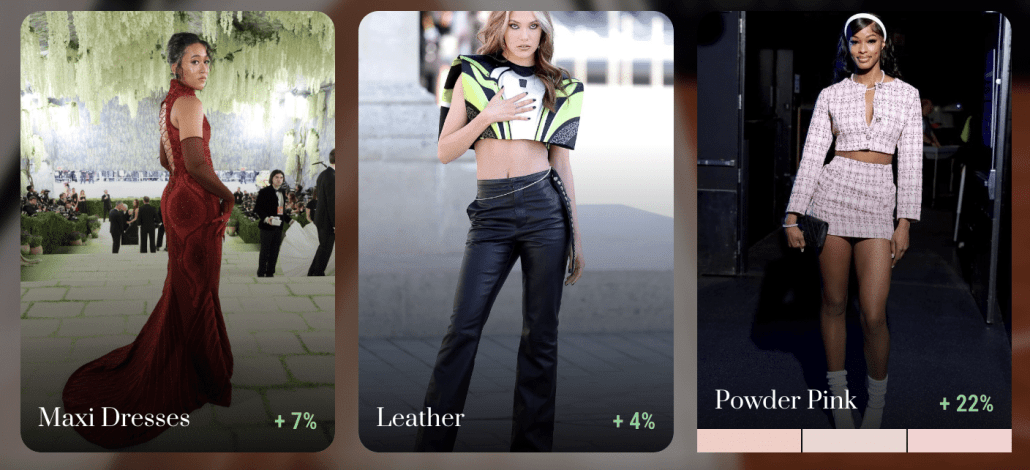
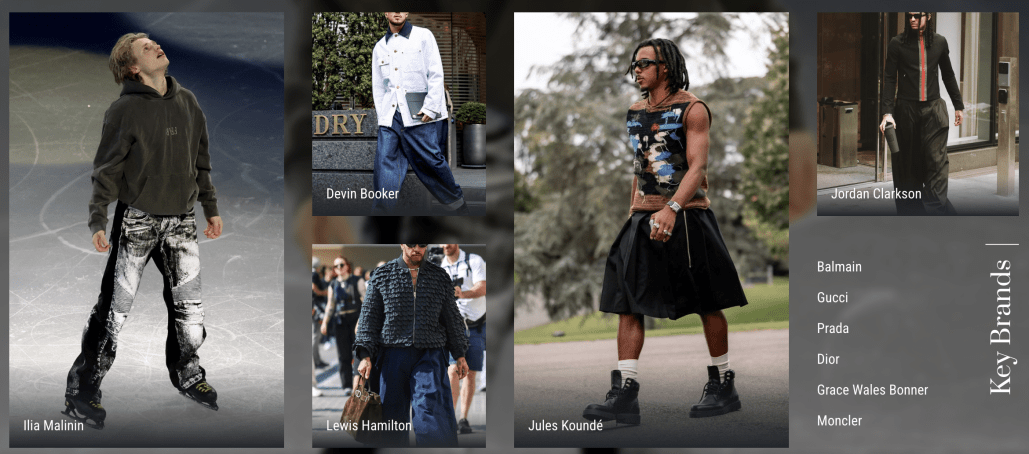
Image: Data from Heuritech Platform, Anti-Uniform Theme
Would you like to learn more about our solution? Don’t hesitate to contact our team.


